

Secondary injection molding with encapsulation: process, value, and application analysis
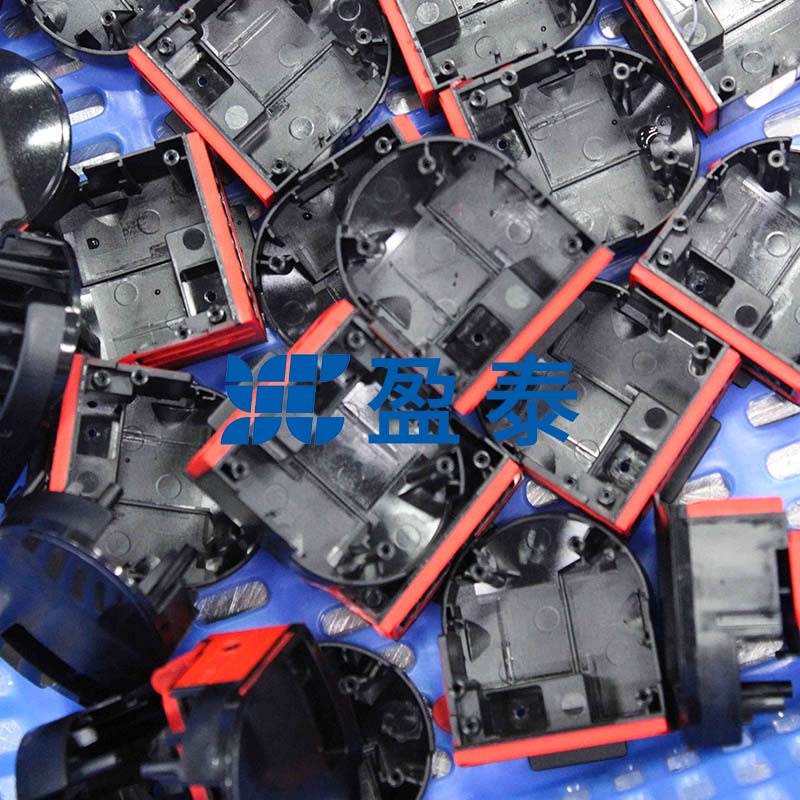
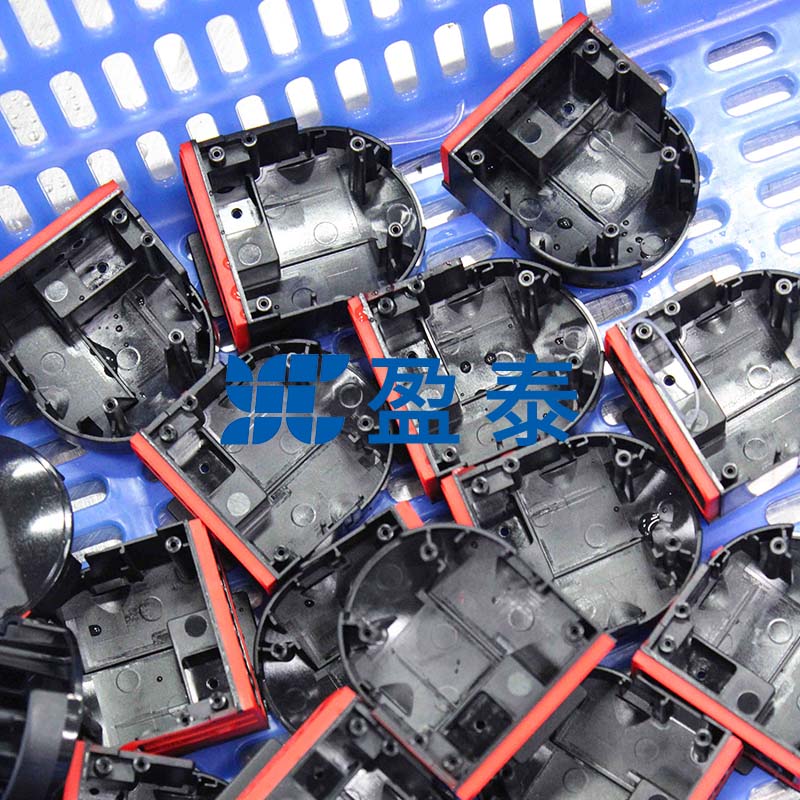
Secondary injection molding, also known as dual color injection molding or overmolding, is an advanced manufacturing process that combines two different materials through two injection molding processes. The core process is: first, injection molding a hard substrate (usually engineering plastics such as ABS, PC, nylon, etc.), then placing the substrate into a liquid silicone encapsulation mold, injecting a layer of elastic material (such as TPE, TPU, silicone, etc.) on the surface of the substrate, and combining the two materials through hot melt or mechanical locking, without the need for glue bonding.
1、 Production characteristics
The secondary injection molding encapsulation requires high precision in the process. The key lies in the compatibility of the two materials and precise control of temperature and pressure to ensure that the soft and hard adhesives are firmly bonded at the interface without delamination or cracking. During the production process, a two-color injection molding machine can be used to complete it in one go, or a secondary implantation mold can be used to achieve it. Compared with traditional adhesive technology, secondary injection molding encapsulation is not only environmentally friendly and solvent-free, but also has higher bonding strength and a cleaner appearance, suitable for large-scale, high standard precision manufacturing.
2、 Core role
Enhance grip experience: The soft rubber layer provides a non slip, shock-absorbing, and skin friendly touch, providing comfort and safety for tools, handles, and other products.
Enhance product protection: The encapsulation layer can play a buffering and energy absorbing role, improve the anti drop, waterproof, and dustproof performance of the product, and extend its service life.
Optimize appearance and texture: By combining the color and texture of soft and hard materials, enhance the beauty and grade of the product, and meet consumers' pursuit of quality.
Implementing functional integration: In terms of structural design, encapsulation can serve multiple functions such as sealing, insulation, and vibration isolation, simplifying assembly processes and reducing overall costs.
3、 Applicable industries
With excellent performance, secondary injection molding encapsulation technology has been widely used in multiple industries:
Electric tools and hardware industry: The handles of tools such as drills, wrenches, and pliers are coated with rubber to provide anti slip, shock absorption, and insulation protection, ensuring safe and comfortable operation.
In the consumer electronics industry, products such as phone cases, headphones, smartwatches, and power banks are coated with adhesive to provide waterproof and drop resistant performance, as well as a delicate touch.
Automotive industry: Components such as steering wheel, gear shift lever, door handles, interior buttons, etc. are coated with rubber to enhance tactile quality and weather durability.
Mother and baby and toy industry: children's tableware, toothbrushes, toy shells, etc. are covered with non-toxic soft rubber to prevent collision and ensure safety and environmental protection.
Kitchenware and daily necessities: spatula handle, cookware handle, scraper, etc., coated with rubber to prevent scalding and slip, improving the convenience of daily use.
In summary, the secondary injection molding technology combines the dual advantages of structural strength and comfortable touch, and has become an important process for modern manufacturing to enhance product competitiveness.