

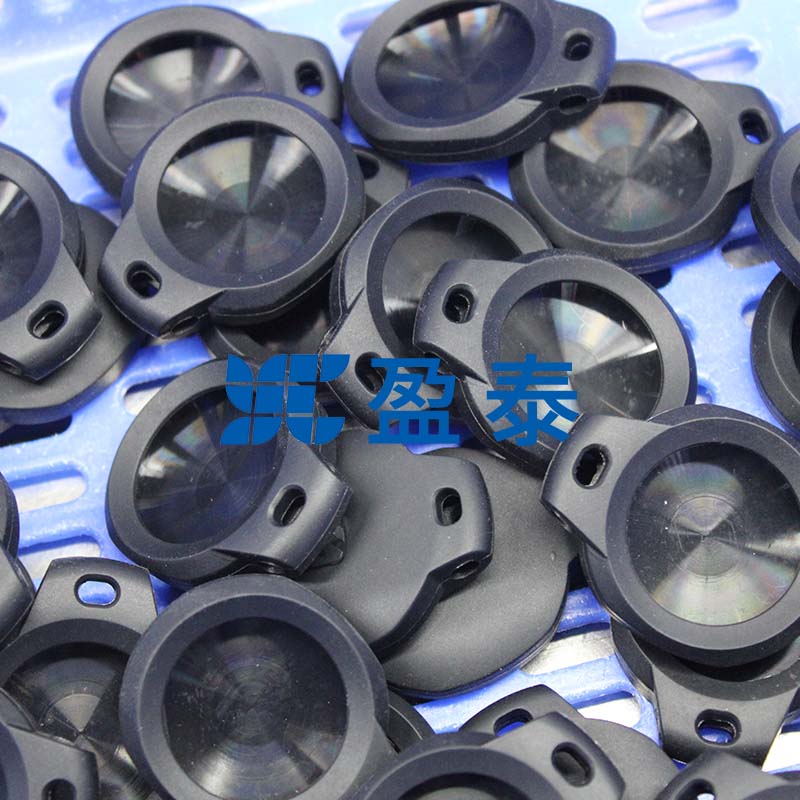
Despite its small size, the small silicone sealing cover possesses significant functions. Here are its five core functions:
1. Sealing and protection
This is the basic and crucial function of a sealing cap. By fitting tightly around the mouth or interface of the product, a silicone sealing cap can effectively prevent the intrusion of external substances
Dustproof: Block dust particles in the air to protect internal components
Waterproof: Prevents the entry of moisture and humidity, with many products achieving dust and water resistance levels above IP65
Anti-corrosive substances: prevent the erosion of internal components by chemical gases, salt spray, etc
Insect and bacteria prevention: Prevent microbial invasion in situations with high hygiene requirements
2. Shock absorption and cushioning
Silicone material possesses excellent elasticity and shock absorption properties:
Impact absorption: When the device is accidentally hit or dropped, the sealing cover can absorb some of the impact energy, protecting the internal components
Anti-vibration fixation: In a vibrating environment, the sealing cover can serve as a buffer to prevent the connection from loosening
Eliminate noise: Reduce noise generated by vibration and enhance the comfort level of equipment operation
3. Insulation safety
Silicone is an excellent electrical insulating material:
Electrical insulation: It will not cause a short circuit when in contact with electronic components, and its volume resistivity is usually above 10¹⁴ Ω·cm
Arc resistance: Excellent arc resistance in high-voltage environments
Flame retardancy: By adding flame retardants, it can meet the UL94 V-0 flame retardancy standard and self-extinguish in case of open flame
4. Weather-resistant and durable
Silicone materials exhibit excellent environmental resistance:
High and low temperature resistance: It can be used for long periods within the temperature range of -60℃ to 200-230℃, maintaining its elasticity and sealing performance
Age resistance: Excellent resistance to ultraviolet rays, ozone, and oxygen, making it less prone to aging and cracking even after long-term exposure
Resistance to chemical media: It exhibits good resistance to water, alcohols, weak acids, and weak alkalis
Fatigue resistance: Resilience against repeated compression without permanent deformation, ensuring a long service life

5. Environmental protection and safety
Silicone materials exhibit excellent biocompatibility and environmental friendliness:
No odor: Pure silicone is inherently non-toxic and does not emit irritating odors
Food safety: It can pass food contact level certifications such as FDA and LFGB, and can be used for food containers
Environmentally friendly and recyclable: Silicone materials can be recycled and reused, and can be disposed of through specific methods after being discarded, resulting in minimal environmental impact.